KQ HUB AFRICA
Plot 25 Close,
Bugolobi-off Luthuli Avenue, Kampala At Venture Labs Africa
P.O Box 135978
+256 761 395 163


About KQ
How we use art to engage society and advance social change.

On this page: Two practicesOur formsWhat art can doWe use artivism to
One idea, two practices
Artivism is both a practice of creative resistance and a practice of collective imagination.
It moves people beyond passive observation of the challenges affecting their societies and makes them active participants in understanding and transforming them.
Our forms

Theatre, visual arts, film, music, literature, digital media, public art, storytelling, cultural gatherings and experimental forms of creative expression: platforms where artistic practice meets social inquiry and civic participation.
What art can do
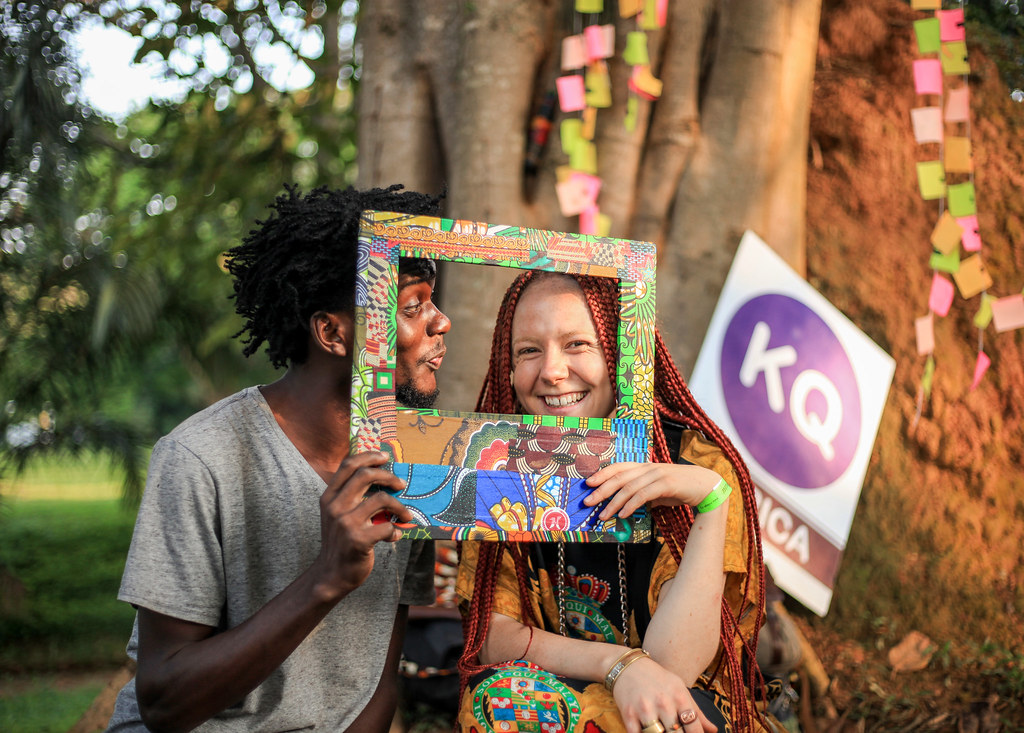
Art can question how social realities came to exist, make visible the experiences of people excluded from decision-making, open space for difficult conversations and mobilise people around shared concerns.
In practice
Interrogate established assumptions, question unequal power relations and make room for alternative perspectives and voices.
Turn difficult social, political, environmental and economic questions into experiences people can engage with and relate to.
Bring communities, generations, disciplines and institutions together to meet different perspectives, negotiate tensions and find shared understanding.
Create platforms for people whose experiences are often absent from public discourse and decision-making.
Turn artistic expression and shared reflection into civic participation, community initiatives, advocacy and movements for change.
Connect creative practice and community knowledge with public discourse, policy conversations and institutional processes.
Artivism is not confined to protest or resistance. It is equally about constructing alternatives, cultivating solidarity, building new relationships and creating the cultural conditions in which different futures become possible.
Plot 25 Close,
Bugolobi-off Luthuli Avenue, Kampala At Venture Labs Africa
P.O Box 135978
+256 761 395 163